Plastics are among the indispensable materials of modern life. Especially HDPE (High-Density Polyethylene) and PP (Polypropylene) are widely used in many industries due to their durability, lightness, and chemical resistance. However, alongside these advantages, the microplastic problem—which has become increasingly prominent in recent years—poses a serious environmental threat. So, how do HDPE and PP plastics contribute to microplastic pollution? What are the effects of this issue on human health and the environment? Let’s take a closer look.
What Are Microplastics?
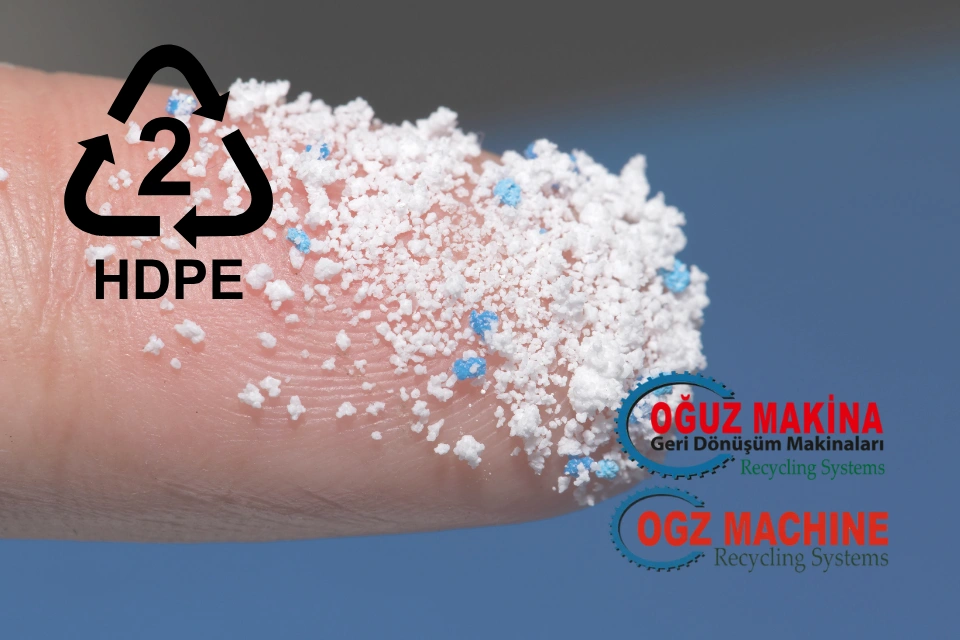
Microplastics are plastic particles smaller than 5 millimeters. They generally originate from two main sources:
- Primary microplastics: Plastics produced intentionally in small sizes for use in cosmetic products, cleaning agents, and industrial applications.
- Secondary microplastics: Formed by the breakdown of larger plastic products over time due to sunlight, wind, water, and physical interactions.
Formation of Microplastics in HDPE and PP Plastics
HDPE and PP are extensively used in products such as packaging, bottles, pipes, toys, and textiles. When these products are disposed of in nature at the end of their lifecycle or are improperly managed, they gradually break down into smaller pieces under environmental conditions. The resulting microplastics can mix into waterways, soil, and even the air.
The Role of HDPE and PP as Sources of Microplastics
- Packaging Waste: HDPE and PP products like shopping bags, shampoo bottles, and detergent containers remain in nature for a long time without decomposing and eventually break down into microplastics.
- Textile Products: Polypropylene fibers used especially in sportswear can break off during washing, entering sewage systems and eventually water bodies.
- Industry and Agriculture: Pipes, containers, and agricultural covers made from HDPE and PP can turn into microplastics at the end of their useful life.
Environmental and Health Hazards
Microplastics pose various risks to both the environment and human health:
- Ecosystems: Microplastics can be easily ingested by aquatic organisms and enter the food chain.
- Human Health: Through seafood, salt, and drinking water, microplastics can reach the human body. Although their long-term effects are not yet fully known, their potential to carry toxic chemicals is concerning.
- Soil and Agriculture: Microplastics can accumulate in agricultural land, negatively affecting soil fertility and water balance.
Solutions and Preventive Measures
- Recycling and Proper Waste Management: Recycling HDPE and PP products can significantly prevent the formation of microplastics.
- Reducing Single-Use Plastics: The consumption of single-use products, especially packaging and bags, should be minimized.
- Awareness and Education: Raising consumer awareness about microplastics is important for the correct separation and disposal of waste.
- Legal Regulations: Strict legislation regarding the production and use of plastics can be effective in reducing microplastic pollution.
Conclusion
Common plastics like HDPE and PP make our daily lives easier but also confront us with a serious problem: microplastic pollution. To overcome this issue, steps must be taken both individually and collectively—reducing our plastic consumption and placing greater emphasis on recycling. Let’s not forget: even a small piece of plastic can turn into a major environmental problem.