Millions of tons of plastic waste are generated worldwide every year. Preventing this waste from harming nature and reintroducing it into the economy is crucial for a sustainable future. At this point, plastic crushing and recycling processes play a key role in both fulfilling our environmental responsibilities and creating economic value.
What is Plastic Crushing?
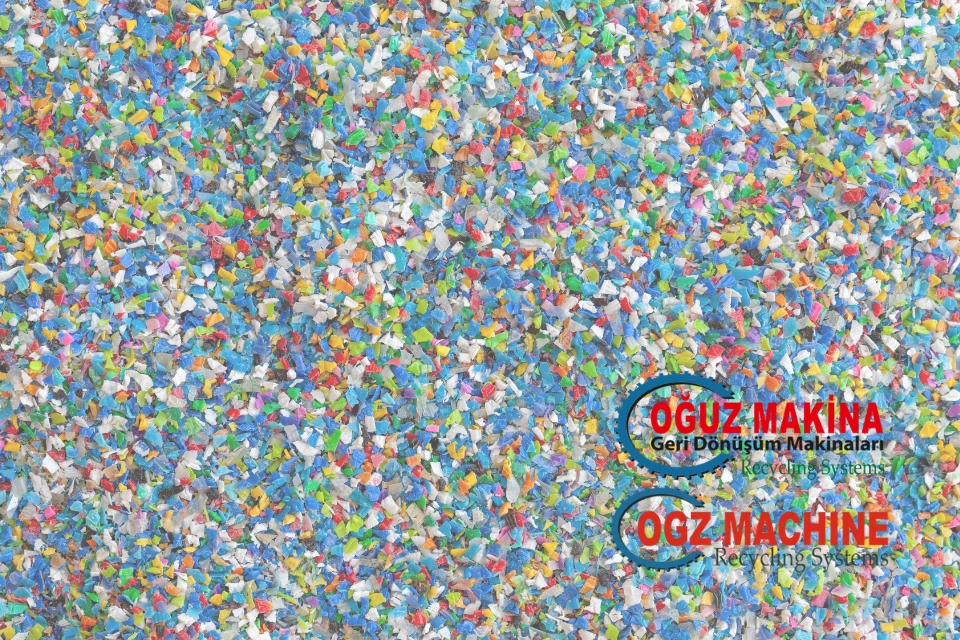
Plastic crushing is the process of breaking down plastic materials into small pieces to prepare them for recycling. This is typically done using crushing machines (granulators), which make the plastic waste suitable for the next stages of recycling.
Plastics that can be crushed include:
- Bottles (PET, HDPE)
- Plastic crates and containers
- Pipes
- Automotive plastic parts
- Industrial plastic waste
How Does the Recycling Process Work?
- Collection and Sorting: Plastic waste is collected and sorted by type (e.g., PET, PE, PP).
- Washing: Plastics are cleaned to remove dirt, labels, and adhesives.
- Crushing: Washed plastics are shredded into smaller pieces using crushing machines.
- Extrusion and Granulation: The crushed plastics are melted and turned into granules.
- New Product Manufacturing: The granules are used as raw material to produce new plastic products.
Why Is It Important?
- Protects the environment: Reduces the amount of plastic that ends up in nature.
- Saves energy: Consumes less energy than producing new plastic.
- Supports the economy: Recycled plastics are reused as raw materials.
- Creates jobs: The recycling sector provides wide employment opportunities.
Conclusion
Plastic crushing and recycling are not only about reducing waste but also about building an environmentally conscious and economically strong future. Supporting these processes, both as individuals and institutions, is key to leaving behind a livable planet for future generations.